Unlocking Tunisia’s Strategic Mineral Wealth: A Gateway to EU and MENA Supply Chains
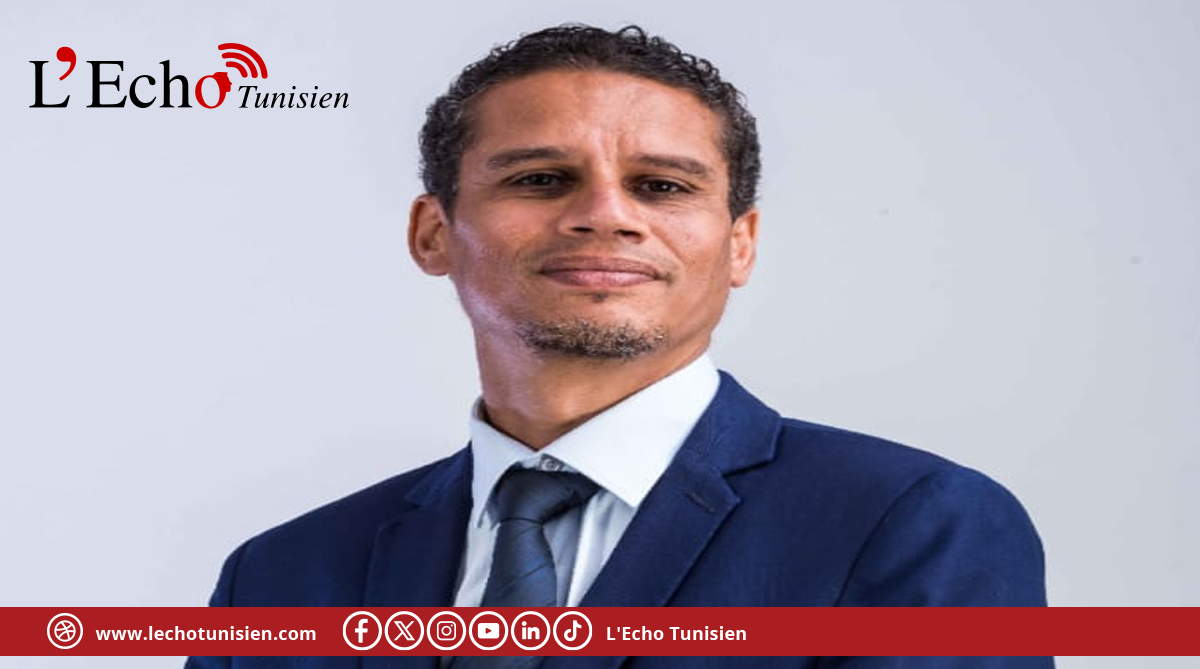
Article par : Maître Mohamed Chorfi, Avocat d’affaires Tunisien
Executive Summary
Tunisia stands at a strategic crossroads in the global race for critical minerals, offering a rich but underexplored portfolio of assets, including phosphate, fluorine, iron, zinc, barium, and sulfur. These assets align closely with EU Critical Raw Materials Act (CRM Act) and U.S. supply diversification objectives, creating an exceptional opportunity to integrate Tunisia into trans-Mediterranean supply chains.
“Tunisia’s mineral wealth is an essential pillar of our industrial and energy
transition strategy. By aligning national priorities with global demand for critical
minerals, we aim to attract responsible investment that creates value, jobs, and
sustainability.” * Ministry of Industry, Mines and Energy of Tunisia
With proximity to European markets (less than 140 km from Sicily), well-developed logistics infrastructure, and a young technical workforce, Tunisia can evolve into a regional hub for ESG-compliant mineral extraction and processing. Global demand for these materials, particularly phosphates for LFP batteries, zinc for battery anodes, and fluorine for semiconductors, is expected to grow by over 30% by 2030, according to the International Energy Agency (IEA).
This publication outlines a strategic framework for unlocking Tunisia’s mineral wealth through targeted investment, policy modernization, and international partnerships. It details the country’s geological endowment, infrastructure, and alignment with global sustainability standards, while presenting actionable pathways to integrate Tunisia into EU and MENA critical mineral supply chains.
1. Geological & Resource Overview
Tunisia’s mining potential stems from its diverse geological formations spanning the Atlas Mountains, Saharan basins, and coastal sedimentary belts. The country hosts significant reserves of phosphate, iron ore, lead, zinc, fluorine, barium, and sulfur, complemented by trace occurrences of rare earth elements (REEs) in clay-rich formations. Such diversity positions Tunisia not only as a traditional exporter but as a potential node for strategic mineral transformation within the Euro-Mediterranean corridor.
Phosphate Reserves
• Region: Gafsa Basin (Metlaoui, Redeyef, Moularès, M’dhilla)
• Operator: Compagnie des Phosphates de Gafsa (CPG)
• Reserves: ~1.8 billion tons, among the largest globally
• Applications: Fertilizers, LFP battery cathodes, industrial chemicals
• Benchmark: Tunisia ranks among the top 5 global phosphate exporters
Iron Ore
• Key Sites: Djebel Djerissa and Gebel Zerissa (Northwest Tunisia)
• Historical Output: Over 1 Mt/year in peak years; currently underexploited
• Potential: Modern beneficiation and processing investments could revive exports
Lead & Zinc
• Regions: Jendouba, Beja, Kasserine, and Kef
• Notable Mines: Jeba, Jeladja (argentiferous lead), Bougrine (zinc)
• Opportunity: Growing global demand for zinc in galvanization and batteries
Industrial Minerals
• Salt: Zarzis (marine evaporation ponds), Gebel Hadifa (rock salt)
• Gypsum & Lime: Central and southern Tunisia (Kairouan, Kebili)
• Sulfur & Fluorine: Critical for fertilizers, battery electrolytes, & semiconductor etching
Rare Earth Elements (REEs)
• Context: Trace REEs identified in clay formations across the Saharan Platform and Nappes Zone
• Mineralogy: Illite, smectite, and halloysite hosting lanthanides
• Strategic Implication: Low-grade but extensive REE occurrences suitable for ESG-compliant, low-impact extraction
2. Strategic Positioning: Tunisia in the EU Supply Chain
Tunisia’s integration into AfCFTA and the EU Association Agreement provides dual access to African and European markets, making it a natural bridge for mineral-based value chains. Its maritime proximity to Italy and France, coupled with established ports in Rades, Gabès, and Bizerte, enables efficient export routes and lower carbon logistics.
“The EU views Tunisia as a natural partner in the development of sustainable and resilient supply chains for critical raw materials.”, * EU Delegation in Tunis
Regional integration advantages include:
• AfCFTA: Duty-free exports to 54 African markets
• EU Association Agreement: Preferential access to European buyers
• Mediterranean Corridors: Potential mineral corridors linking Tunisia–Italy–France via maritime logistics
This partnership framework opens avenues for joint exploration projects under Horizon Europe, green financing via the European Investment Bank, and the establishment of a Tunisia–EU Critical Minerals Corridor. Such cooperation supports the EU’s strategy to reduce dependency on high-risk suppliers from Asia while promoting regional industrial resilience.
This partnership framework can enable :
- Joint exploration and processing initiatives under Horizon Europe.
- Development of a Tunisia–EU Critical Minerals Corridor linking Gafsa and Gabès to Italian and French industrial hubs.
- Mobilization of green financing through the European Investment Bank (EIB) and the Global Gateway Initiative.
3. ESG & Regulatory Landscape
Tunisia’s regulatory modernization, particularly the ongoing Mining Code revision, aims to streamline permitting, improve fiscal transparency, and strengthen social responsibility mechanisms. Enhanced ESG compliance is critical for attracting long-term investors seeking responsible supply chains.
ESG Opportunities
• Environmental Oversight: Managed by the National Agency for Environmental Protection (ANPE)
• Renewable Integration: Target of 35% renewable energy by 2030 supports low-carbon mineral operations
• ESG Certification: Potential adoption of IRMA or ICMM standards.
• Traceability: Blockchain-based mineral traceability could enhance EU compliance
• Community Engagement: Mining regions such as Gafsa already have established local workforce bases and infrastructure.
“Tunisia’s mining sector presents a rare opportunity in North Africa: established infrastructure, human capital, and proximity to European markets. The next stage is to strengthen governance and ESG compliance, transforming Tunisia into a regional hub for critical minerals.” *Senior Mining Economist, World Bank MENA Region
Institutional strengthening of environmental oversight (via ANPE), adoption of IRMA certification standards, and integration of renewable energy in mining operations can place Tunisia among the MENA region’s top performers in responsible extractives.
4. Logistics & Infrastructure
Tunisia’s logistics base includes port facilities, rail networks, and industrial clusters that collectively support mineral value chains. Upgrading the Sfax–Gafsa–Gabès rail corridor and expanding bulk terminals in Rades and Gabès can improve export capacity and regional competitiveness. Integration of renewable energy into mining clusters will enhance Tunisia’s low-carbon credentials.
Key assets include:
| Infrastructure Type | Key Assets | Opportunities |
| Ports | Rades, Gabès, Bizerte, Zarzis | Expand mineral terminals, integrate bulk handling |
| Rail Network | Sfax–Gafsa–Gabès corridor | Upgrade for heavy mineral transport |
| Energy | Gas, wind, solar mix | Enable low-carbon mining |
| Industrial Zones | Gabès Chemical Complex, Sfax industrial zone | Potential modular processing hubs |
Proposed “Tunisia–EU Critical Minerals Corridor”:
• Upstream: Mining and beneficiation in Gafsa, Kef, Beja
• Midstream: Toll processing hubs in Gabès and Sfax
• Downstream: Export logistics through Rades and Bizerte ports
5. Investment Outlook and Opportunity Matrix
Tunisia’s critical minerals portfolio presents diversified opportunities:
| Mineral | Applications | EU Criticality | Opportunity Type |
| Phosphate | Fertilizers, LFP batteries | High (CRM-listed) | Expansion, downstream integration |
| Fluorine | Batteries, semiconductors | High | JV for fluorochemical production |
| Zinc | Galvanization, batteries | Medium | Processing, recycling |
| Iron | Steel, alloys | Moderate | Modernization, export |
| Barium | Electronics, drilling fluids | Niche | Industrial mineral diversification |
| REEs | Magnets, clean tech | Emerging | Exploration, academic collaboration |
6. Policy Recommendations
1. Establish a Tunisia–EU Critical Minerals Partnership under CRM Act and Horizon Europe frameworks.
2. Modernize the Mining Code to enhance fiscal transparency and exploration incentives.
3. Develop ESG Certification Protocols aligned with EU supply chain standards.
4. Create Sovereign Guarantees or FX Hedging Mechanisms to de-risk private investment.
5. Launch a National Geological Mapping Initiative with EU and academic partners.
6. Host an Annual “Tunisia Critical Minerals Investment Forum” in Tunis or Gabès.
7. Conclusion & Outlook 2030
Tunisia is uniquely positioned to become a regional hub for critical mineral processing and export, linking North African resources to European clean energy ecosystems. If it captures even 5% of projected EU demand for phosphate- and fluorine-based materials, the country could attract USD 3–5 billion in foreign investment by 2030.
“With targeted reforms and regional integration, Tunisia could become a model for sustainable mineral development in Africa, bridging local value creation with international clean energy supply chains.” * African Development Bank, Extractives, and Industrialization Division
Tunisia’s minerals are not just resources; they are strategic enablers of the global energy transition. The time to act is now.
Quotes
Ministry of Industry and Mines (Tunisia)
“Tunisia’s mineral wealth is an essential pillar of our industrial and energy transition strategy. By aligning national priorities with global demand for critical minerals, we aim to attract responsible investment that creates value, jobs, and sustainability.”
— Official statement, Ministry of Industry, Mines and Energy of Tunisia
EU Delegation to Tunisia
“The European Union views Tunisia as a natural partner in the development of sustainable and resilient supply chains for critical raw materials. Cooperation under the EU Critical Raw Materials Act and Horizon Europe will open new pathways for investment, innovation, and shared prosperity.”
— Representative, EU Delegation in Tunis
World Bank MENA Mining Expert
“Tunisia’s mining sector presents a rare opportunity in North Africa: established infrastructure, human capital, and proximity to European markets. The next stage is to strengthen governance and ESG compliance, transforming Tunisia into a regional hub for critical minerals.”
— Senior Mining Economist, World Bank MENA Region
African Development Bank
“With targeted reforms and regional integration, Tunisia could become a model for sustainable mineral development in Africa — bridging local value creation with international clean energy supply chains.”
— Extractives and Industrialization Division, African Development Bank